July 9, 2026
/
4 min read
Meet the agents: Z1, Reach, and Ana
Meet the three parts of Zalify that work together on creative, customer follow-up, and attribution. Learn what each does and where to start.
Running a brand often means moving between a design tool, an email platform, and an analytics dashboard. Connecting the work takes time: someone has to carry the campaign brief, customer context, and results from one tool to another.
Zalify brings those tasks together through Z1, Reach, and Ana. This introduction explains what each does and how to choose a starting point.
Three connected parts of your marketing workflow
Campaigns commonly run into three problems:
- Creative is hard to test. Producing enough variations takes more time than the team has.
- Visitors leave without a next step. People browse but do not buy or subscribe, leaving you with few ways to follow up.
- Results are difficult to compare. Different platforms report the same purchase differently, making budget decisions harder.
Z1, Reach, and Ana connect creative, customer activity, and campaign reporting in one platform. Z1 helps create the material, Reach helps you follow up, and Ana helps you evaluate the results.
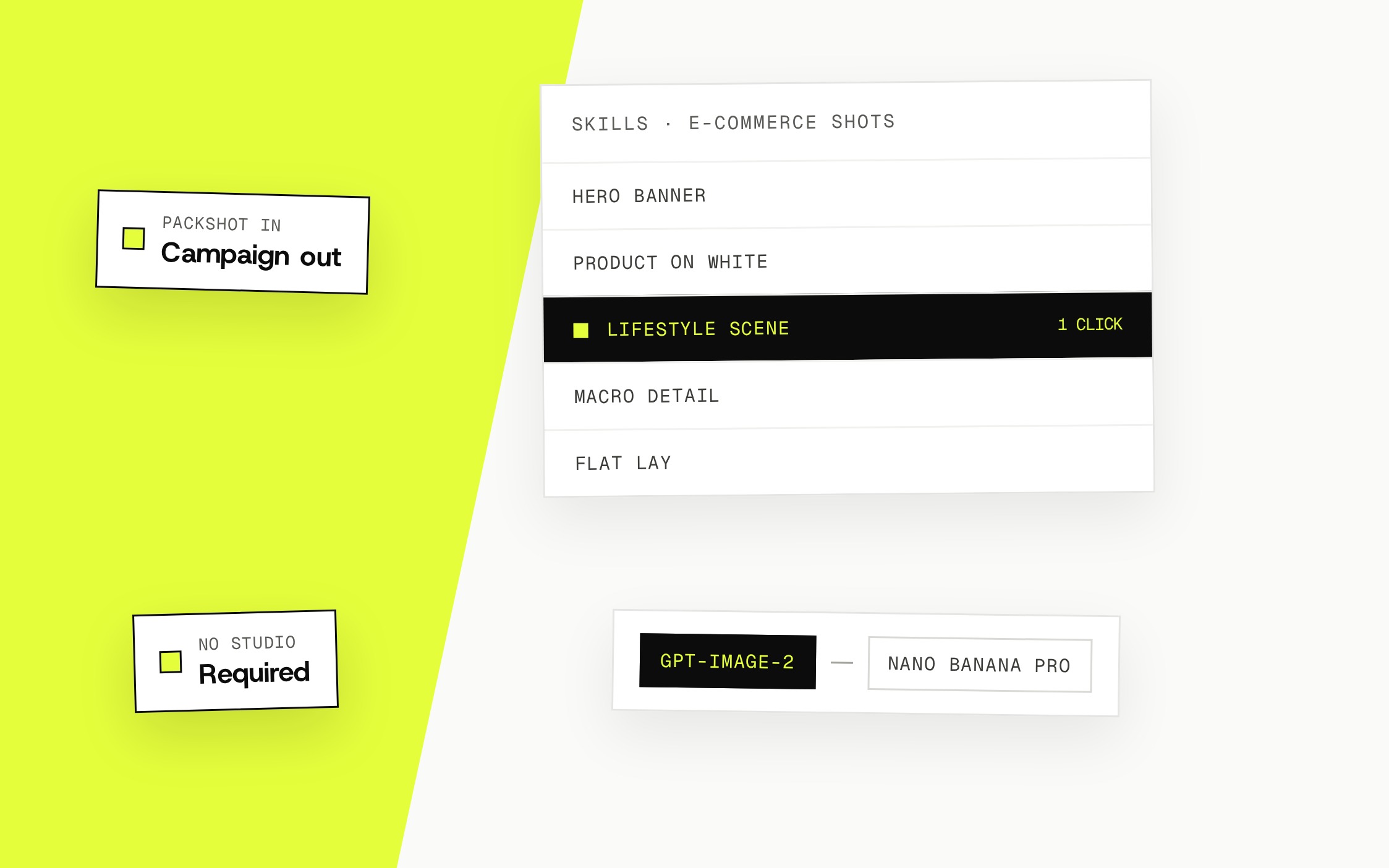
Z1: create campaign assets
What it does: Z1 helps you generate and edit images, videos, emails, and other campaign content using your brand assets. Shared design tools make it easier to keep colors, typography, and messaging consistent.
Who it's for: teams whose creative production cannot keep up with their campaign plans.
How it helps: create variations for different placements and test new angles without starting every design from scratch. Carry the same offer and visual direction into the landing page so visitors see a consistent message after clicking.
Reach: follow up with customers
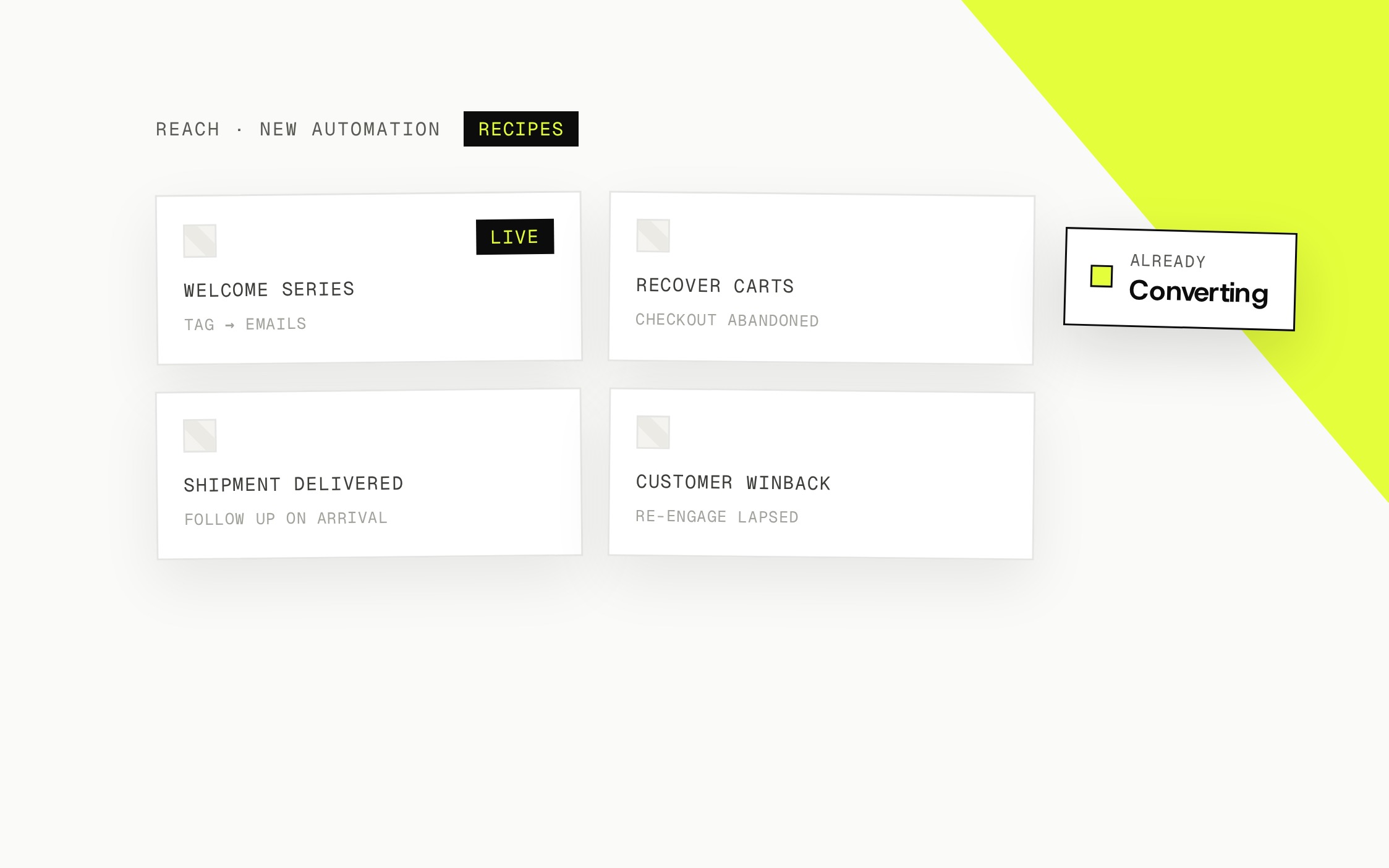
What it does: Reach combines signup forms, lists, segments, email broadcasts, and automated flows. Collect subscriptions, follow up on eligible abandoned checkouts, and keep existing customers informed.
Who it's for: brands that attract visitors but need a more consistent way to build relationships and encourage repeat purchases.
How it helps: use customer activity and subscription status to select a relevant audience, then send through a broadcast or configured automation. Timing depends on the flow's triggers, conditions, and delays, rather than a promise that every segment change sends an email immediately.
Ana: understand marketing performance
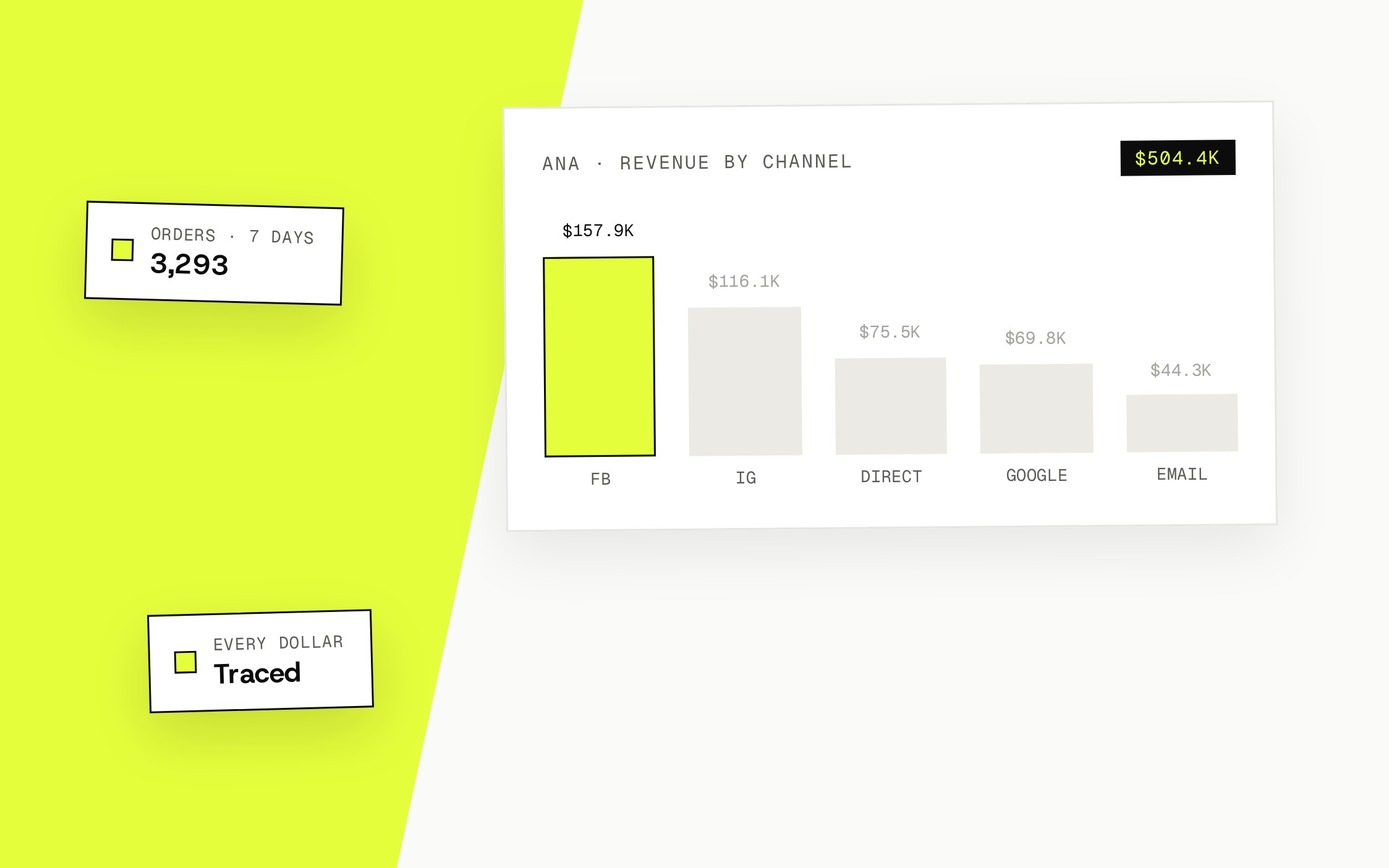
What it does: Ana combines first-party event collection, server-side integrations for platforms such as Meta, Google, and TikTok, and attribution reports. It helps you connect recorded purchases with the marketing touchpoints that preceded them.
Who it's for: teams comparing channel performance or deciding where to spend their next advertising dollar.
How it helps: review revenue and return on ad spend (ROAS) by channel and creative using a consistent reporting view. Attribution depends on available tracking data and the attribution model; it is an estimate of contribution, not proof that one ad caused a purchase.
Put the results back into your next campaign
The products support a connected workflow:
- Create: use Z1 to prepare campaign assets.
- Follow up: use Reach to collect subscriptions and send relevant messages.
- Measure: use Ana to review recorded conversions and channel performance.
- Improve: use those findings to brief the next round of creative and audience selection.
Your team can carry the findings from one campaign into the next without rebuilding the context each time.
Where to start
Start with the problem taking up the most time. Choose Z1 if producing creative is the bottleneck, Reach if customer follow-up needs work, or Ana if you need a clearer view of campaign results.
You can use each area independently. Paid platform plans share the same feature set, with usage charged against a unified balance; you do not need a separate subscription for each agent. See platform pricing for allowances and seats.
If you would prefer help running the work, our team offers managed services for store builds, creative, campaigns, and measurement. Services are priced separately from platform usage.
Subscribe